Interior Decorator vs. Interior Designer: Understanding the Key Differences
Understanding the Roles
When it comes to revamping your living space, you might find yourself overwhelmed with the options of hiring an interior decorator or an interior designer. While these titles are often used interchangeably, they serve distinct functions in the world of interior improvement. Understanding the differences between these two professions can help you make an informed decision that best suits your needs.
What Does an Interior Decorator Do?
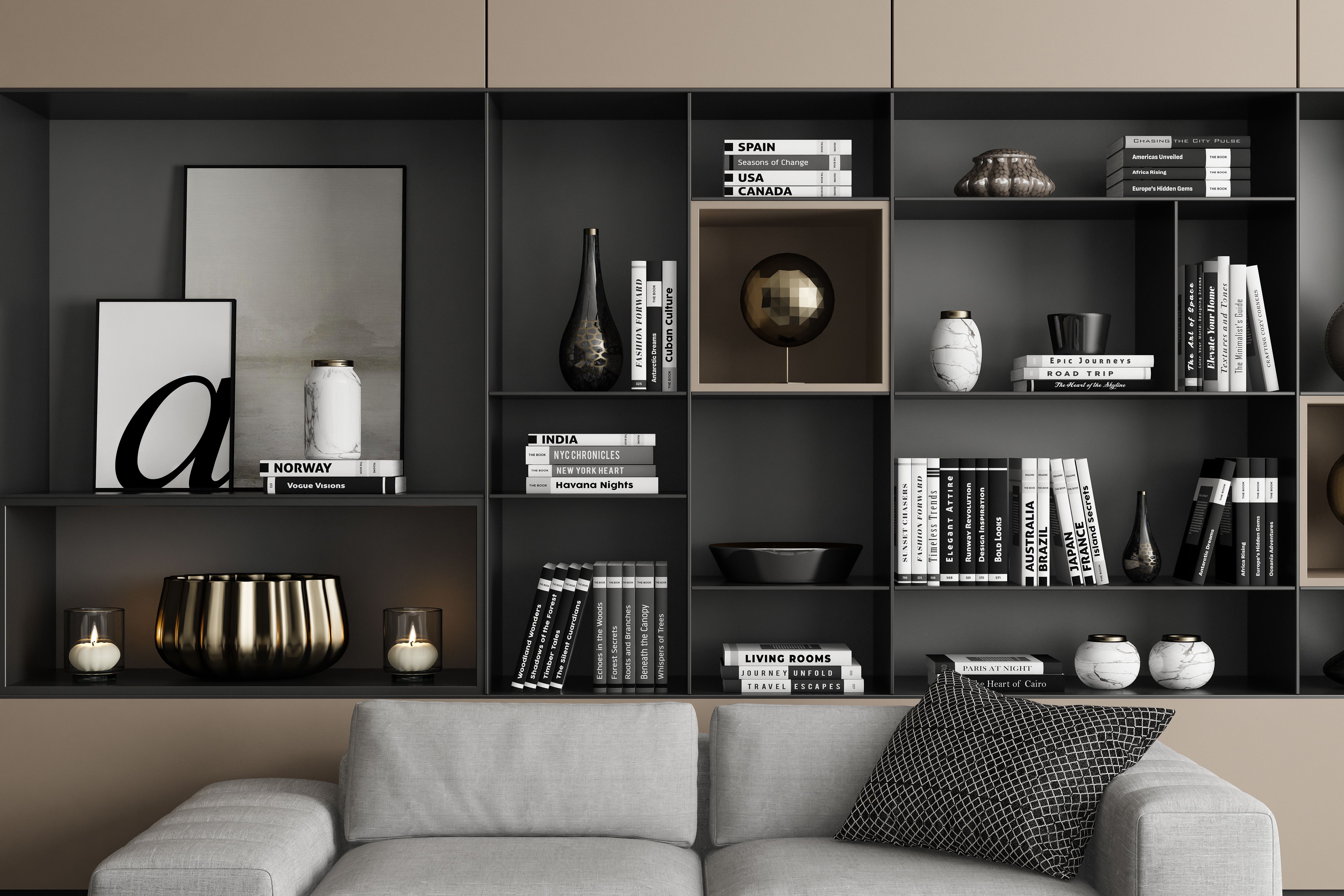
An interior decorator focuses primarily on aesthetics. Their role revolves around enhancing the visual appeal of a space. They work with clients to select color schemes, furniture, and accessories that align with the client's taste and lifestyle. Interior decorators do not partake in structural changes but rather concentrate on surface-level enhancements.
Common tasks for an interior decorator include choosing paint colors, selecting furniture, and accessorizing with artwork and rugs. They may also provide advice on fabric selection and lighting options to create a cohesive look. Essentially, decorators are brought on board to add the finishing touches that bring a space together.
The Expertise of an Interior Designer
On the other hand, an interior designer is involved in both the functionality and appearance of a space. Their expertise often extends to understanding architectural elements and ergonomics, allowing them to take on more complex projects that may involve structural modifications. Interior designers typically need formal education and training, which qualifies them to manage projects that require building codes and regulations.
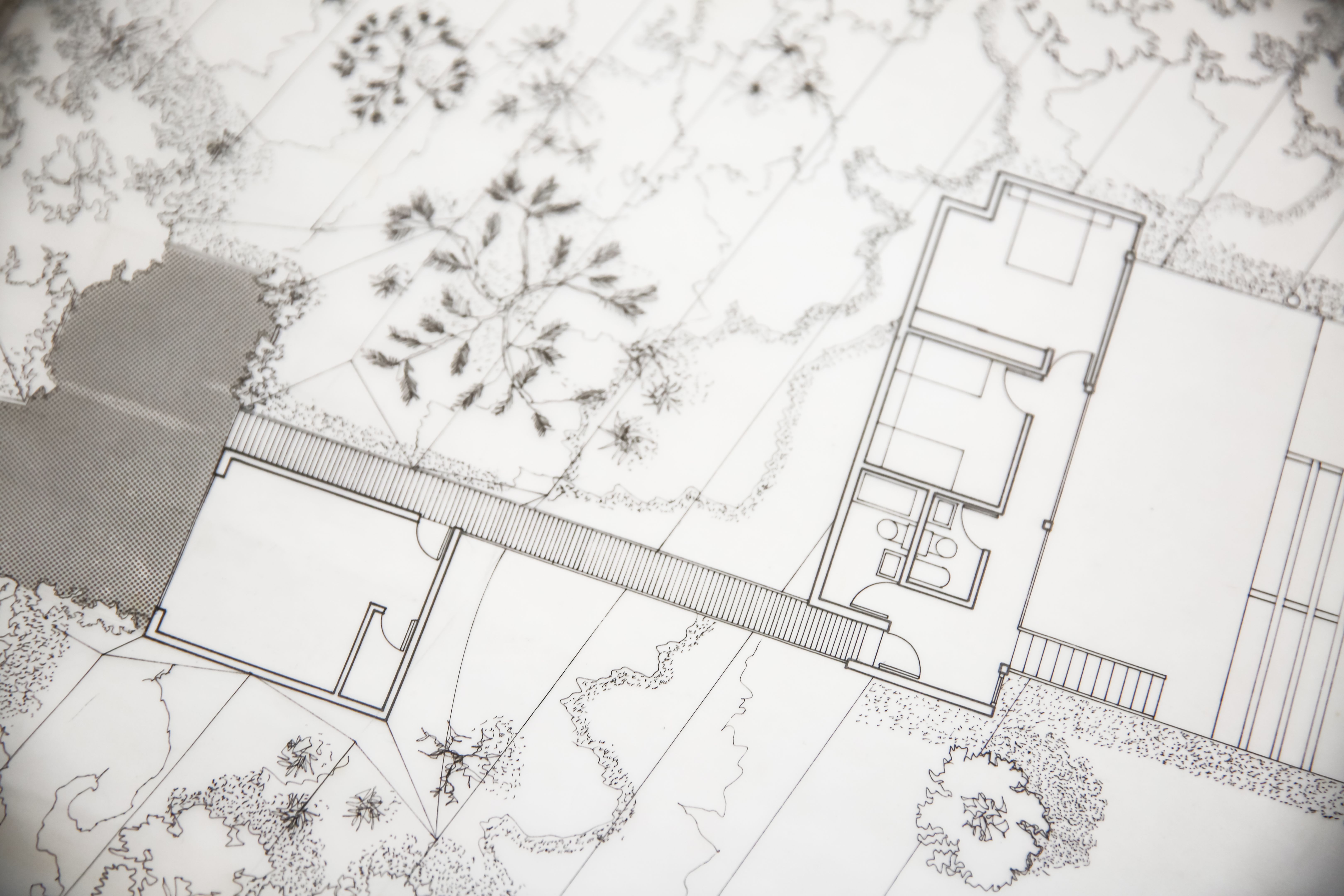
Interior designers collaborate with architects and contractors to ensure that the interior space is not only aesthetically pleasing but also functional and safe. From planning layouts to selecting materials that meet safety standards, their role is comprehensive and multifaceted.
Education and Qualifications
The difference in education and qualifications is another key factor distinguishing interior decorators from designers. Interior designers often hold a degree in interior design or architecture and may also be required to pass certification exams depending on their location. This formal education equips them with knowledge of spatial planning, building codes, and technical drawing skills.
Conversely, interior decorators do not require formal education or certifications in most places. Instead, they rely on their eye for style and personal experience to guide their design decisions. Many decorators choose to complete short courses or certifications to enhance their skills, but it is not a necessity.

When to Hire Each Professional
If your project involves structural changes such as removing walls or changing plumbing, hiring an interior designer is the appropriate choice. Their training allows them to manage these complex tasks while ensuring compliance with local building regulations.
For those looking to refresh their home with new furnishings or updated color palettes, an interior decorator might be more suited to your needs. They can provide valuable insights into current design trends and help you achieve a polished final look.
Working Together
Interestingly, interior designers and decorators often work in tandem on projects. Designers may bring decorators on board to add finishing touches after completing structural changes, or decorators might consult with designers for more technical aspects of a project. This collaborative approach ensures a seamless blend of functionality and beauty.
Ultimately, both professionals play crucial roles in enhancing living spaces. Understanding their differences can help you choose the right expert for your specific requirements, ensuring that your project is completed to the highest standard.