Mastering Space Planning: Tips for a Functional Home
Understanding Space Planning
Space planning is a crucial aspect of interior design that involves the strategic arrangement of furniture and other elements within a room to optimize functionality and aesthetics. It's about creating a balanced environment that not only looks appealing but also serves its intended purpose effectively. Whether you're working with a small apartment or a large house, mastering space planning can significantly enhance your living experience.
Assessing Your Needs
Before diving into rearranging your furniture, it's important to assess what you need from each room. Consider the activities that will take place in the space and how much room each activity requires. For instance, a living room might need more open space for movement, while a home office could benefit from dedicated areas for work and storage.
Make a list of priorities for each room. Questions like "Do I need more seating?" or "Is there enough storage?" can guide you in making informed decisions. This assessment will lay the groundwork for a functional and comfortable home layout.
Creating Zones
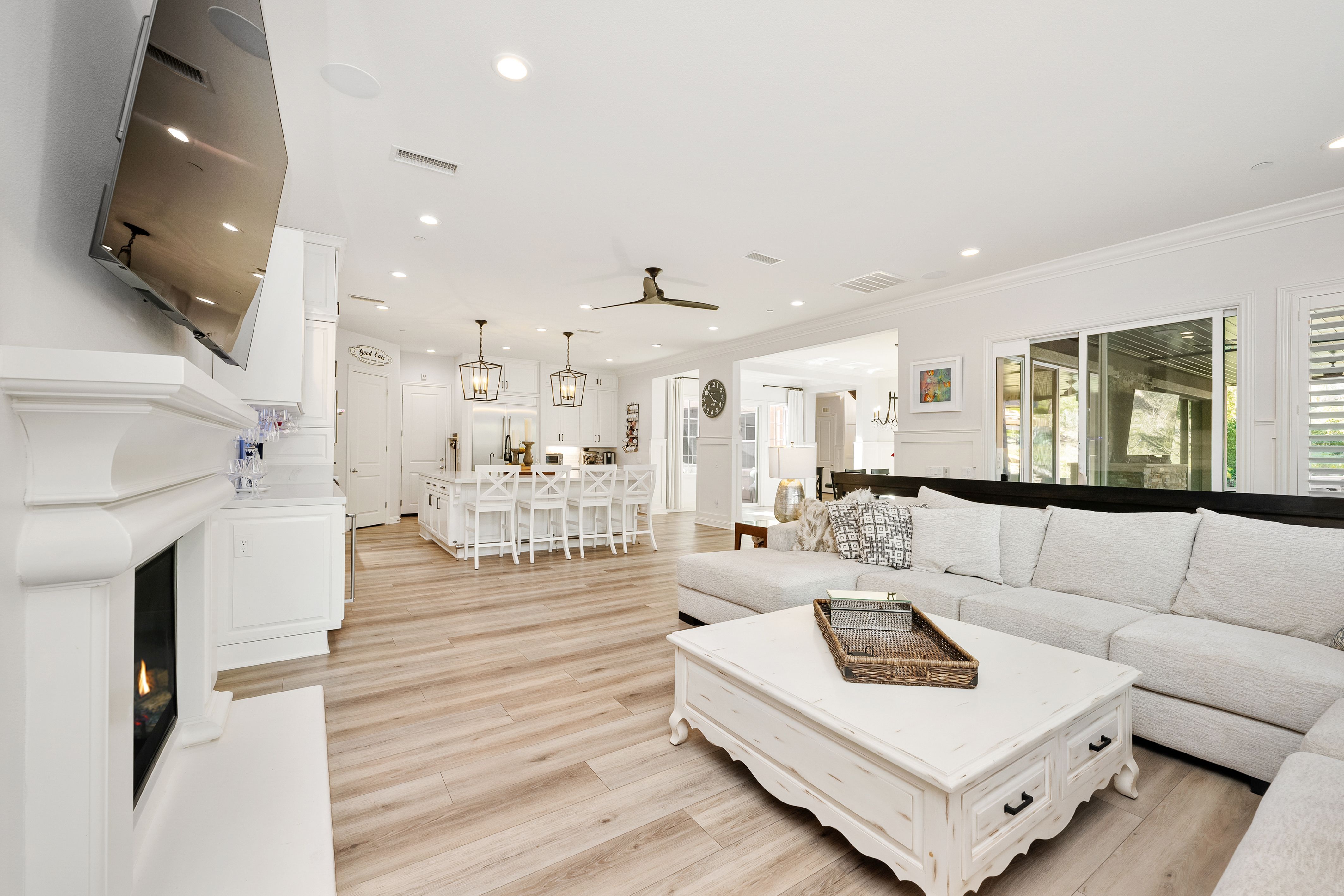
Dividing your space into specific zones is an effective way to enhance functionality. For example, in an open-plan living area, you can create distinct zones for dining, relaxing, and working. Use furniture placement, rugs, or lighting to define these areas clearly. This approach not only organizes your space but also adds visual interest and flow.
Maximizing Small Spaces
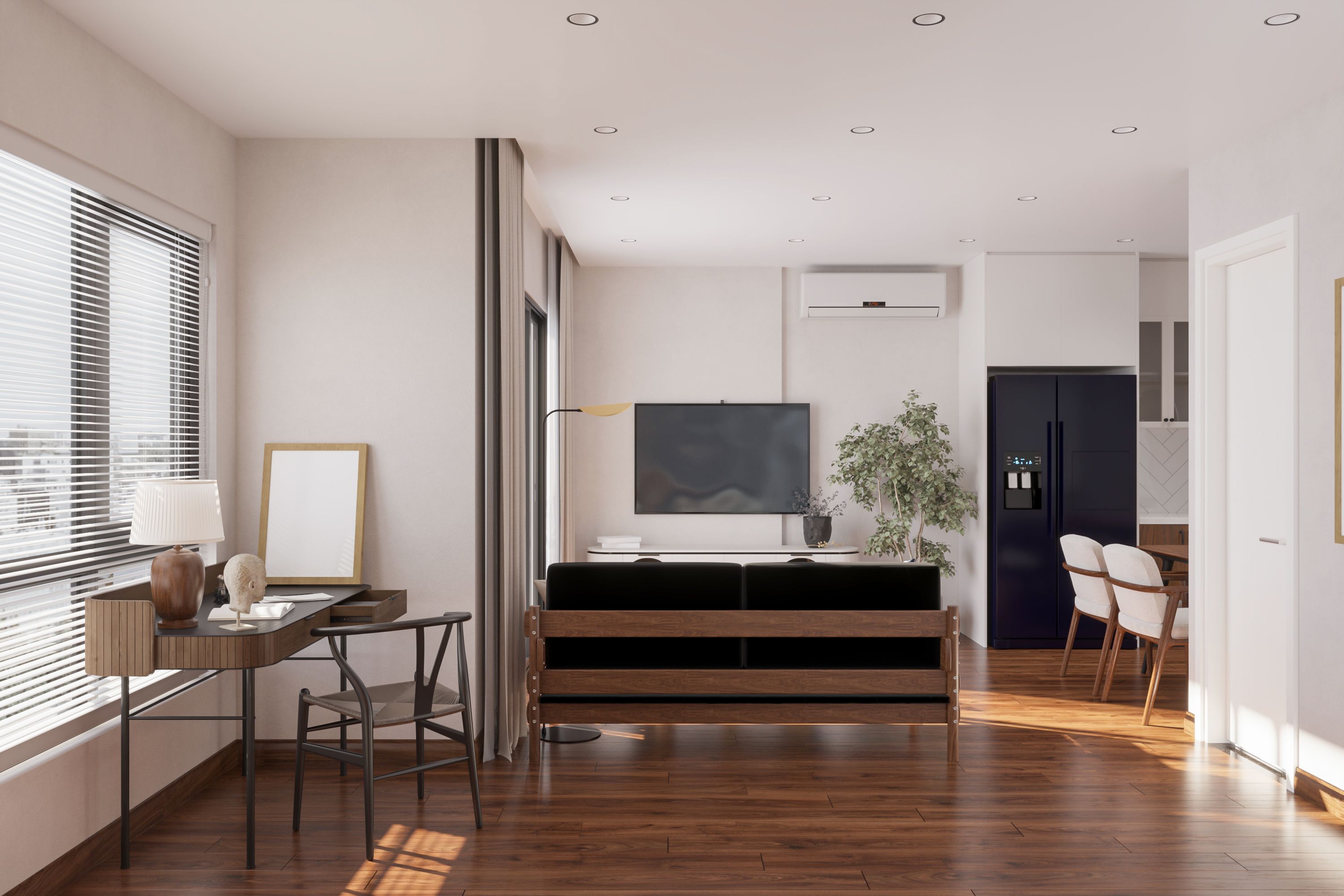
When dealing with smaller spaces, every inch counts. To maximize utility, consider multifunctional furniture like sofa beds or expandable dining tables. Vertical storage solutions such as wall-mounted shelves can also free up valuable floor space. Embrace minimalism by keeping only essential items and using decor that serves a dual purpose.
The Importance of Traffic Flow
An often overlooked aspect of space planning is ensuring smooth traffic flow. Avoid placing furniture in pathways to prevent obstruction. There should be enough space for people to move around comfortably without bumping into things. Consider the natural pathways people take in your home and arrange your furniture accordingly.

Lighting Considerations
Lighting plays a crucial role in space planning. It can define areas and enhance the atmosphere of a room. Layered lighting, which includes ambient, task, and accent lighting, allows for flexibility and functionality. Ensure that each zone has appropriate lighting for its activities, such as reading lights in a study area or dimmers in the living room for relaxation.
Incorporating Personal Style
While functionality is key, personal style should not be compromised. Choose furniture and decor that reflect your personality and complement the overall design theme of your home. Incorporate colors, textures, and materials that make you feel comfortable and happy in your space.
By combining practical space planning techniques with your unique style preferences, you can create a home that is both functional and inviting. Remember, it's your personal haven—make it work for you.