Step-by-Step Guide to Countertop Fabrication
Introduction to Countertop Fabrication
Countertop fabrication is an art and science that combines craftsmanship with technology to create stunning surfaces for kitchens and bathrooms. Whether you're a DIY enthusiast or a professional, understanding the step-by-step process can help you appreciate the intricacies involved in creating durable and aesthetically pleasing countertops.
Selecting the Right Material
The first step in countertop fabrication is choosing the right material. Options range from natural stones like granite and marble to engineered materials such as quartz and solid surface. Each material has its unique properties, including durability, maintenance requirements, and cost. It's essential to consider the intended use, aesthetic preferences, and budget when making this choice.
Natural Stones
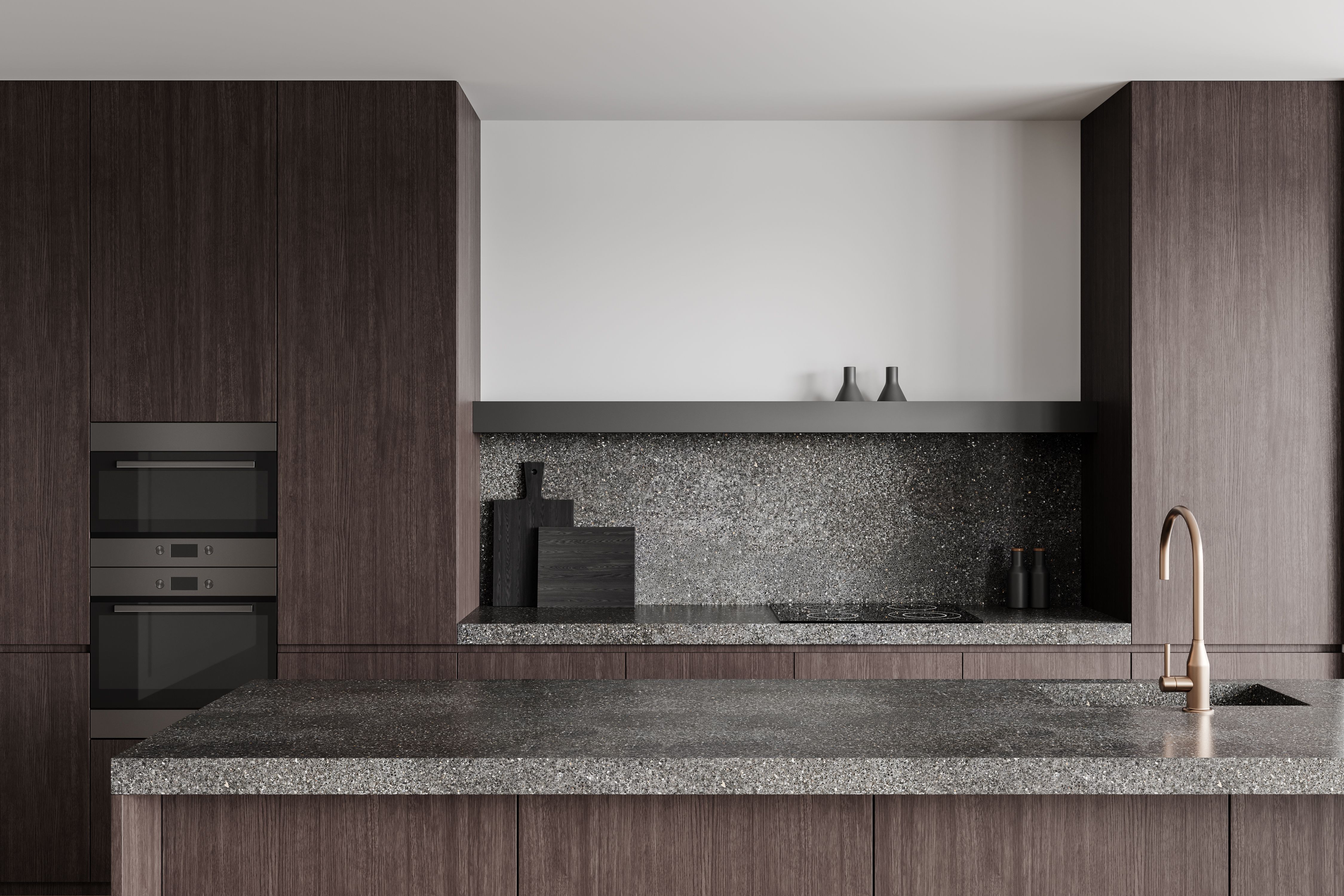
Natural stones offer a timeless beauty and uniqueness due to their natural patterns. Granite is highly durable and heat-resistant, making it ideal for kitchens, while marble provides an elegant look but requires more maintenance. Each slab of natural stone is unique, offering a one-of-a-kind appearance.
Engineered Materials
Engineered materials like quartz provide a non-porous surface that is both durable and easy to maintain. These materials are available in a wide range of colors and patterns, offering consistency in appearance. Solid surface materials are another option, known for their seamless look and ability to be repaired easily.
Creating a Template
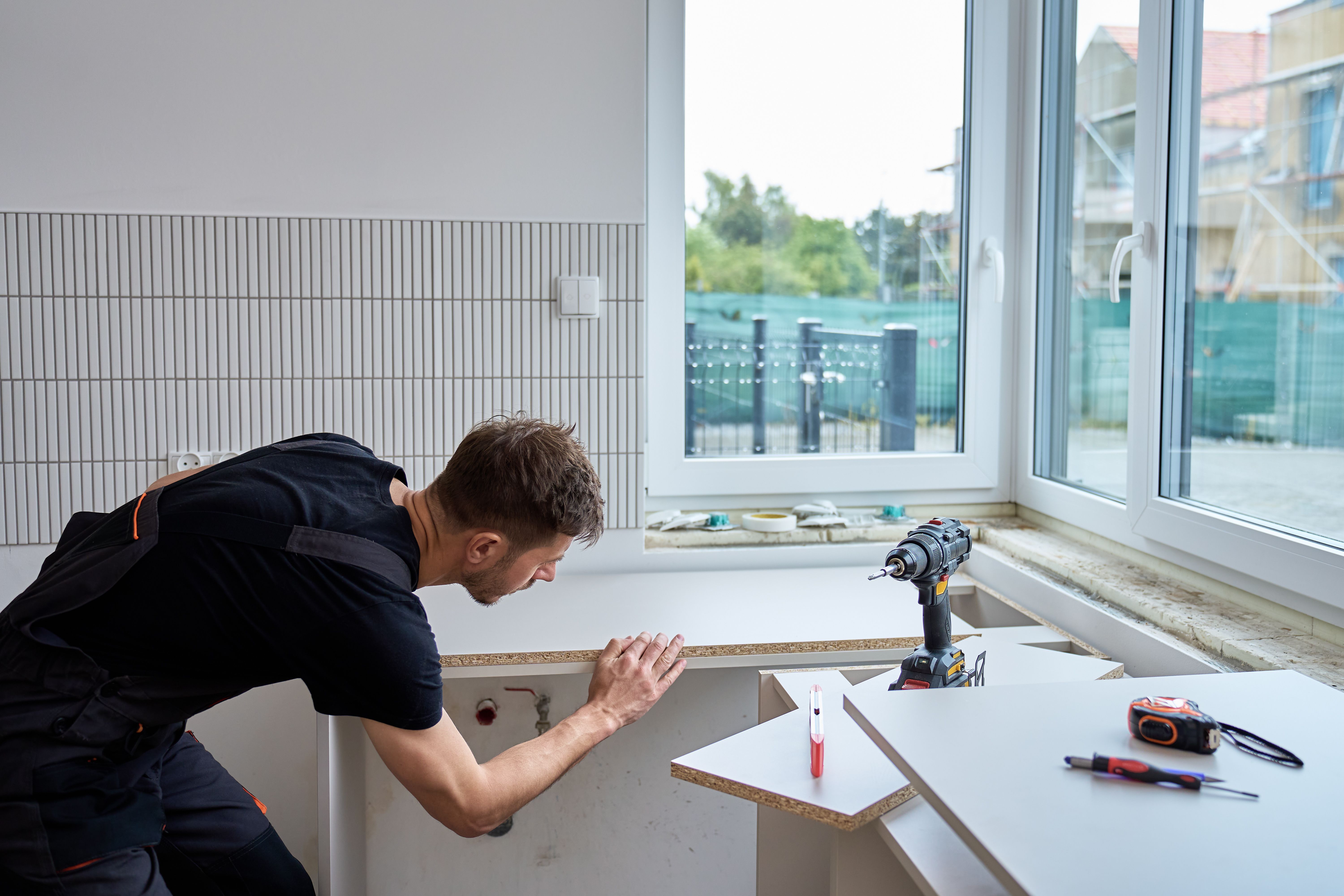
Once the material is selected, creating a template is the next critical step. This involves accurately measuring the area where the countertop will be installed. Templates ensure precision and help in visualizing the final product.

- Measuring: Use precise tools to measure the dimensions of the space.
- Mock-up: Create a replica using cardboard or other materials to test fit.
- Adjustments: Make necessary adjustments to ensure a perfect fit.
Cutting and Shaping
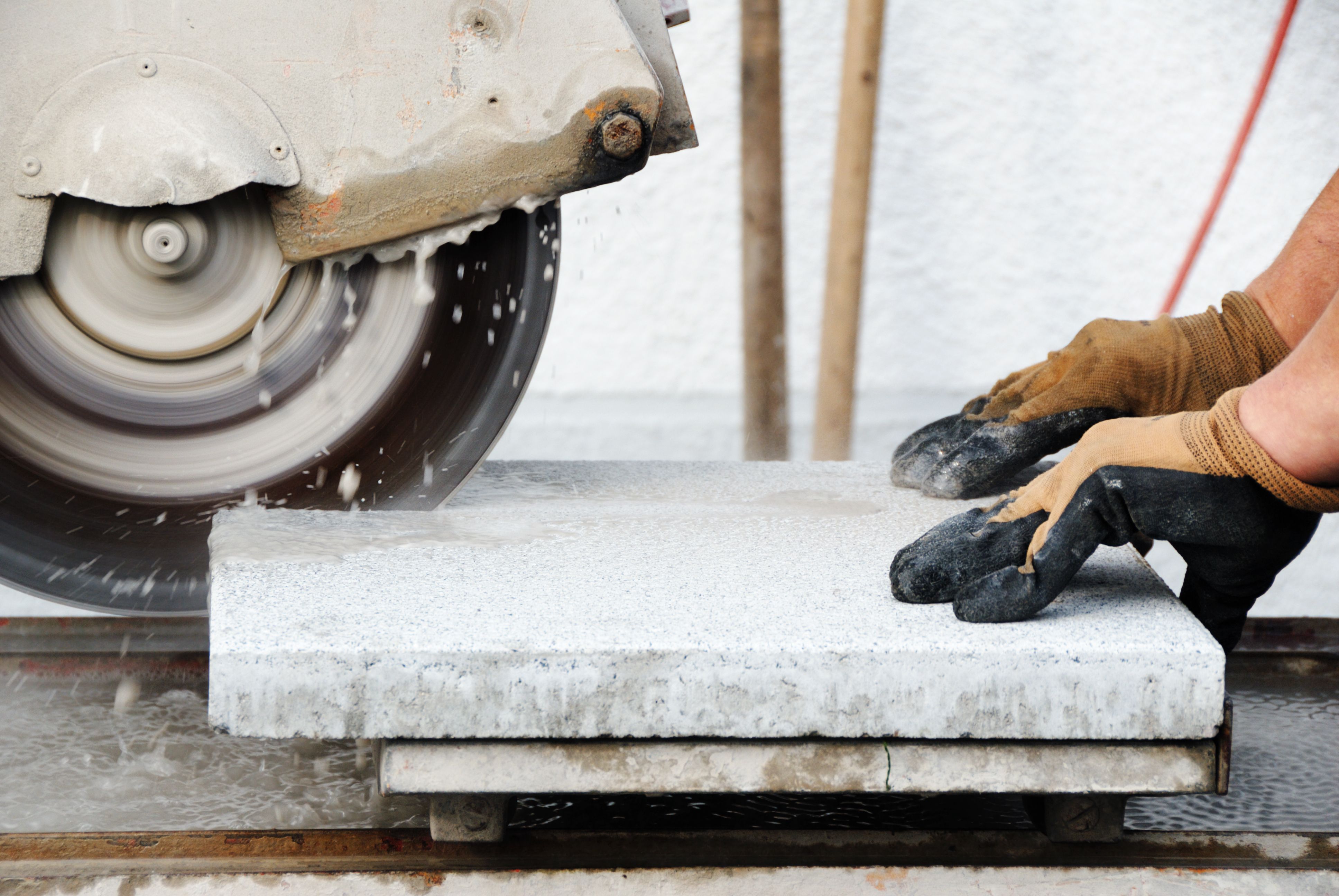
With a template ready, it's time to cut and shape the countertop material. This step requires specialized tools such as saws with diamond blades for natural stone or CNC machines for more precise cuts. Careful attention to detail is crucial to achieve clean edges and accurate dimensions.
Edge Profiling
The edges of the countertop can greatly influence its overall look. Various edge profiles are available, from simple straight or eased edges to more elaborate designs like ogee or bullnose. The choice of edge profile should complement the design of the space.
Sanding and Finishing
After shaping, the countertop undergoes sanding to create a smooth surface. This process involves using different grit levels to achieve the desired finish, whether it's honed, polished, or leathered. Each finish offers a distinct texture and appearance.
Finally, sealing the countertop is essential for materials like granite or marble to protect against stains and moisture. Applying a high-quality sealant enhances durability and maintains the countertop's beauty over time.
Installation
The final step in countertop fabrication is installation. This involves transporting the finished countertop to its destination and fitting it into place. Accurate leveling and securing ensure stability and longevity of the installation. It's important that this step is performed with care to avoid damage or misalignment.
Countertop fabrication is a meticulous process that transforms raw materials into stunning surfaces that enhance any space. Whether you’re considering a new installation or refinishing existing countertops, understanding these steps can guide you in making informed decisions and appreciating the craftsmanship involved.