The Interior Design Process: From Concept to Completion
Understanding the Interior Design Process
The journey of transforming a space into a functional and aesthetically pleasing environment is an art. The interior design process is a strategic blend of creativity and practicality, ensuring that every element serves a purpose while contributing to the overall aesthetic. From the initial concept to the final touches, each step is crucial in bringing a vision to life.
Whether you're redesigning a single room or an entire building, understanding the phases of interior design can help manage expectations and streamline the process. Each phase builds upon the previous one, creating a cohesive and harmonious result.
Concept Development
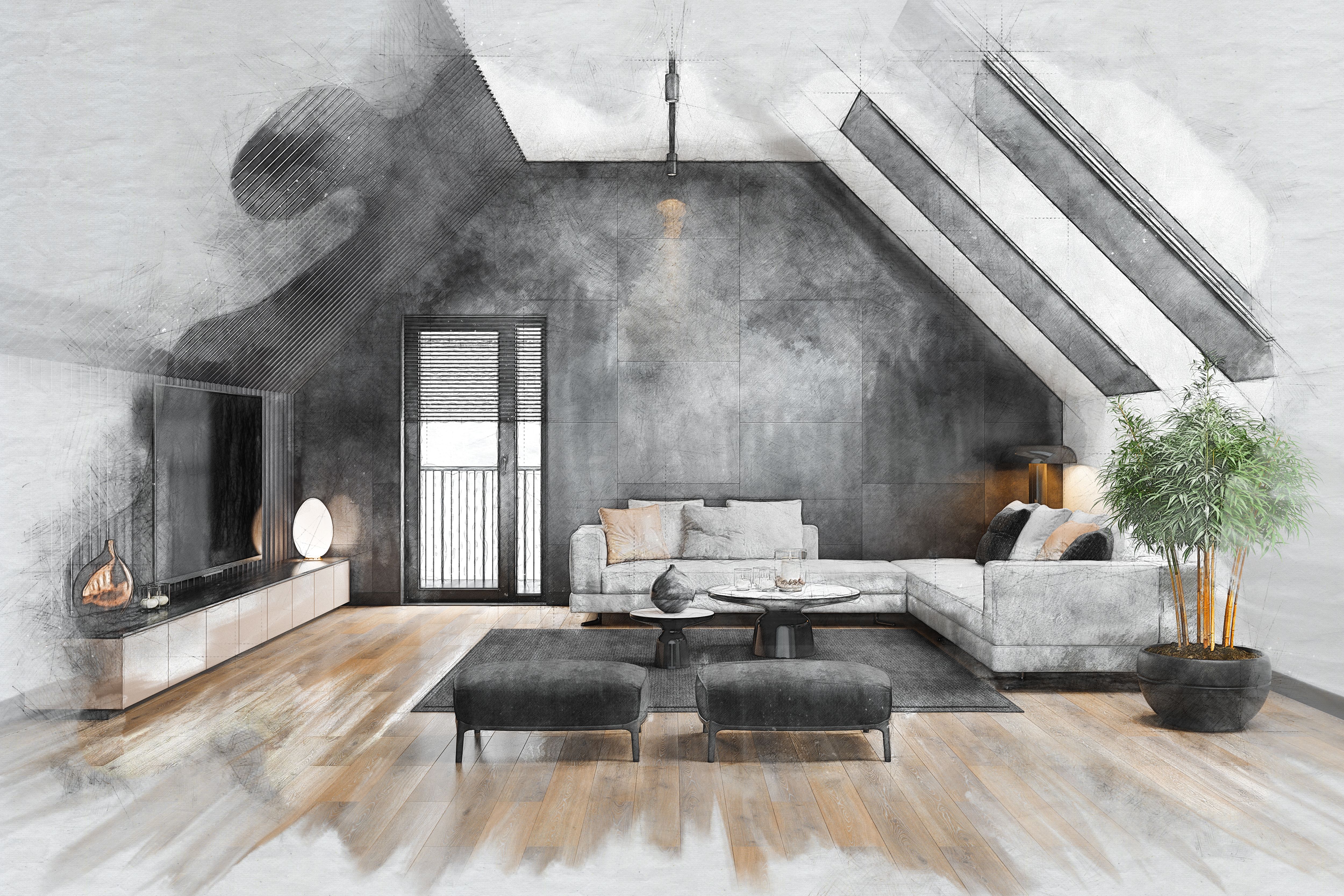
The design process begins with concept development. This initial stage involves gathering information about the client's needs, preferences, and lifestyle. Designers will often ask questions about color preferences, functional requirements, and any specific styles or themes the client is drawn to.
During this phase, designers create mood boards or sketches to visually communicate ideas. These tools are essential for ensuring that both the designer and the client are on the same page before moving forward. Collaboration is key at this stage, as it sets the tone for the rest of the project.
Space Planning
Space planning is a critical component of the interior design process. It involves analyzing how the space will be used, determining furniture layout, and ensuring that there is a logical flow from one area to another. Effective space planning maximizes functionality while maintaining visual appeal.

Design Development
Once the concept and space planning are finalized, the design development phase begins. This stage involves selecting materials, finishes, furniture, and fixtures. The goal is to create a detailed design that aligns with the initial concept while considering practicality and budget constraints.
Designers may present clients with samples of fabrics, paint swatches, and other materials to help them visualize the proposed design. This interactive approach ensures that clients are involved in every decision, resulting in a tailored and personalized space.
Technical Drawings and Documentation
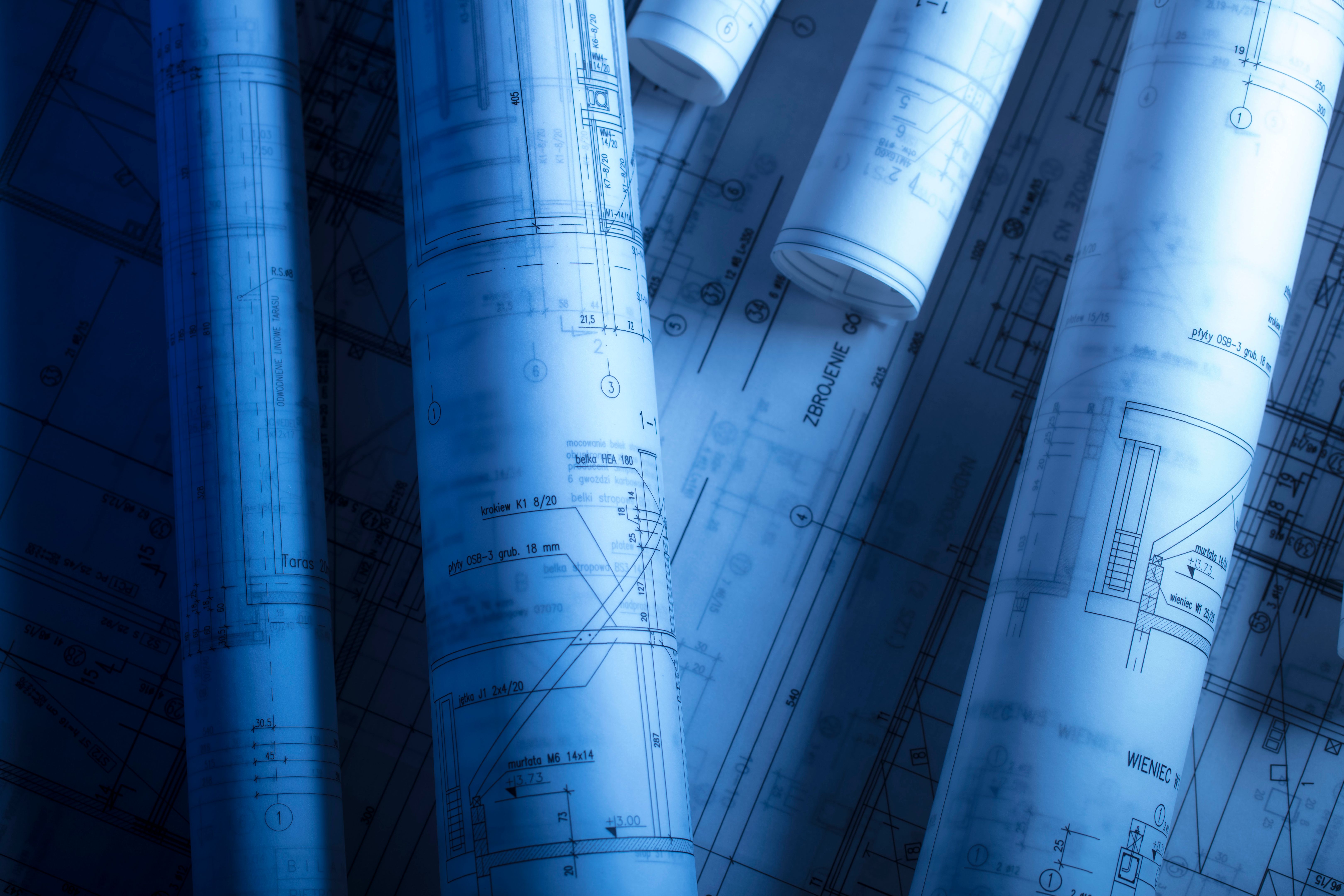
Technical drawings and documentation are essential for translating design plans into reality. These detailed documents provide contractors and builders with precise instructions on how to implement the design. They include floor plans, elevations, electrical layouts, and other critical specifications.
Implementation and Project Management
With all plans finalized, the implementation phase begins. This is where the design comes to life through construction and installation. Effective project management is crucial during this stage to ensure that everything runs smoothly and stays on schedule.
Designers often act as project managers, coordinating with contractors, suppliers, and other professionals involved in the project. They oversee every detail to ensure that quality standards are met and that the finished space reflects the original vision.
The Final Touches
Once construction is complete, it's time for the final touches. This includes adding decorative elements like artwork, plants, and accessories that enhance the overall design. These finishing touches are what give a space its personality and character.
The interior design process concludes with a final walkthrough, where designers make sure everything is perfect. This is also an opportunity for clients to provide feedback and ensure their expectations have been met or exceeded.