The Ultimate Guide to Furniture Selection and Placement in Stewartville, MN
Understanding Your Space
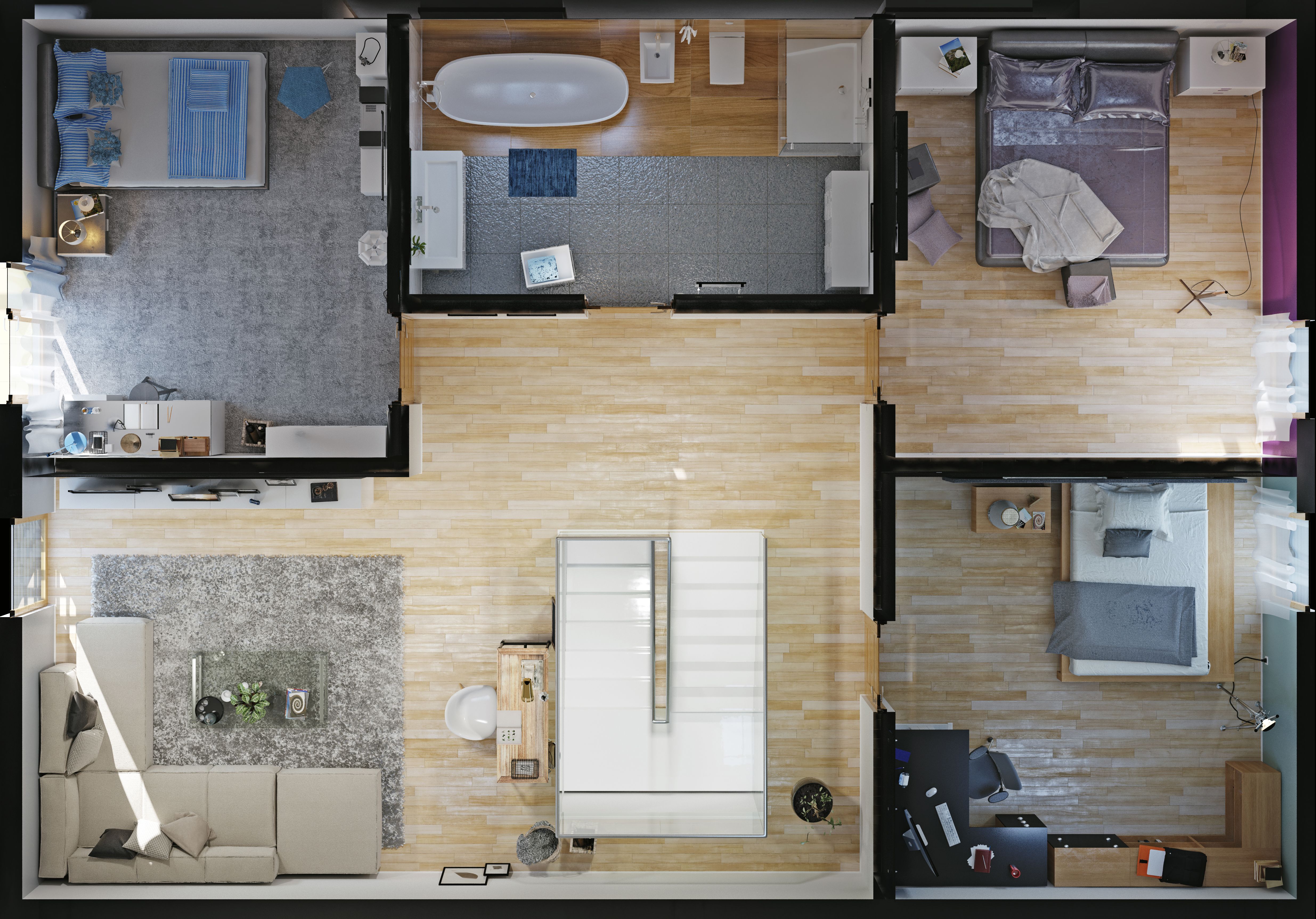
When selecting furniture for your home in Stewartville, MN, it's crucial to first understand the space you are working with. Consider the dimensions of each room, noting any architectural features that could influence furniture placement, such as windows, doors, and built-in elements. A good rule of thumb is to allow for at least 18 inches of space between furniture pieces to ensure easy movement.
Take the time to measure your space accurately. Use a tape measure to get precise dimensions and keep these handy while shopping. This will help you avoid purchasing pieces that are too large or too small for your room.
Choosing the Right Furniture Style
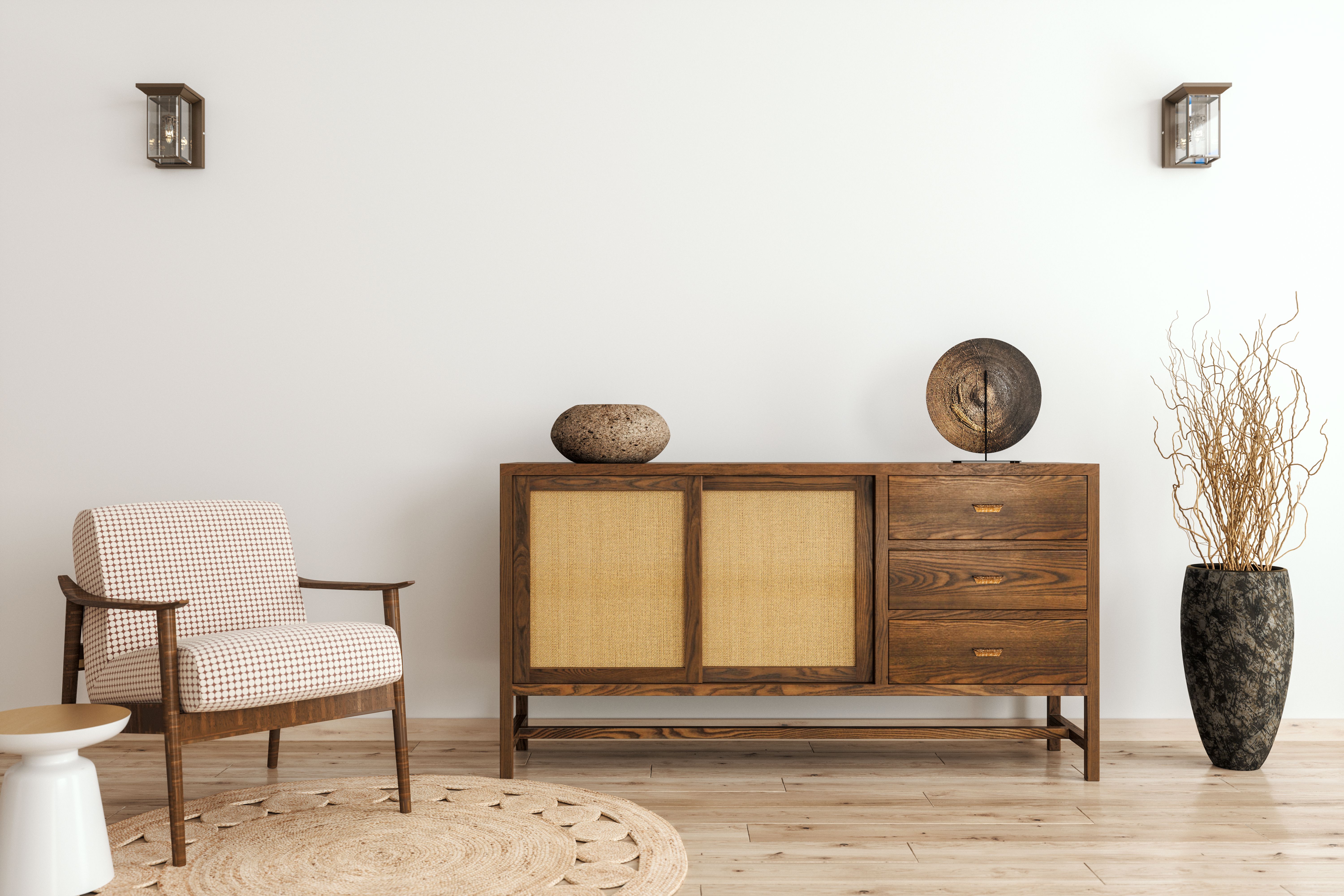
The style of furniture you choose can significantly impact the overall aesthetic of your home. Whether you prefer modern, traditional, or eclectic designs, it's important to maintain consistency throughout your space. Consider creating a mood board with images of furniture styles, colors, and textures that appeal to you.
Mixing styles can add character to your home, but aim for a cohesive look by ensuring some elements tie everything together, such as color palettes or materials. For instance, if you have a modern sofa, consider pairing it with a vintage coffee table that shares a similar wood tone.
Prioritizing Functionality
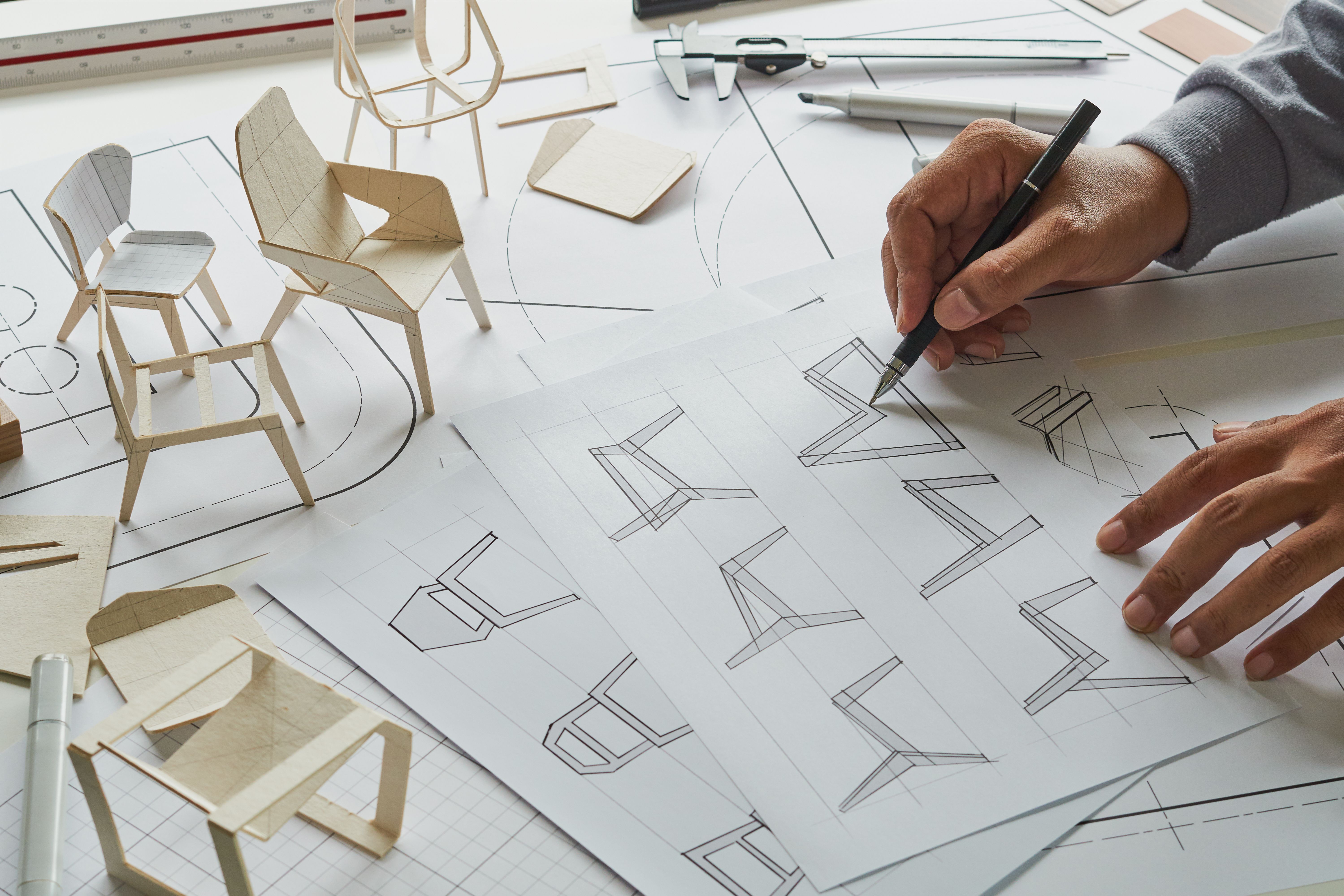
Functionality should always be at the forefront when choosing furniture. Think about how each room is used daily and select pieces that cater to those needs. For example, if you frequently entertain guests, a larger dining table or additional seating in the living room might be essential.
Consider multi-functional furniture such as ottomans with storage, extendable tables, or sofa beds. These versatile pieces can help maximize your space while providing practical solutions for everyday living.
Optimizing Furniture Placement
Once you've selected your furniture, proper placement is key to creating a harmonious and functional living space. Start by arranging larger pieces, such as sofas and beds, as these will serve as focal points in each room.
Ensure that your furniture placement facilitates easy conversation and movement. Group seating arrangements to encourage interaction and leave pathways clear for walking. When placing a dining table or desk, ensure there is adequate space around it for chairs to be pulled out comfortably.
Incorporating Accessories
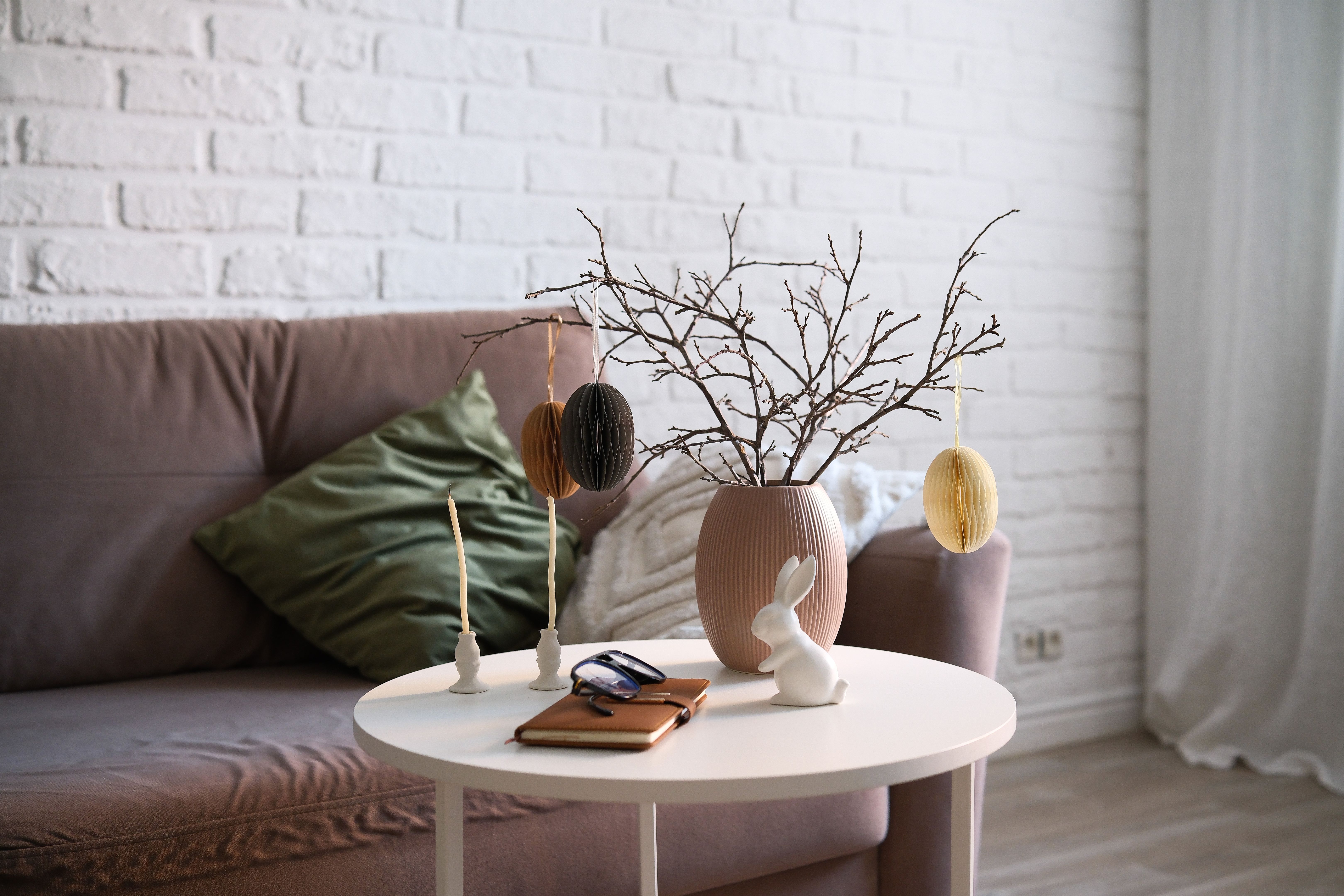
Accessories play a vital role in completing your interior design. Items such as rugs, artwork, cushions, and lighting can add depth and personality to your space. Choose accessories that complement your furniture style and color scheme for a unified look.
Be mindful not to overcrowd surfaces with too many decorative items. Instead, curate a selection of meaningful pieces that enhance the overall design without overwhelming it.
Making it Personal
Your home should reflect your personality and lifestyle. Incorporate personal touches such as family photos, heirlooms, or souvenirs from travels. These elements will make your space feel uniquely yours and add warmth and character to your home.
Remember that furniture selection and placement is a dynamic process. As your needs and tastes evolve, don't be afraid to rearrange or update pieces to better suit your current lifestyle.