Understanding the Role of an Interior Designer
What Does an Interior Designer Do?
Interior designers play a crucial role in shaping the spaces we live and work in. Their job extends beyond mere decoration; they blend functionality with aesthetics to create environments that are both beautiful and practical. An interior designer considers the architecture, functionality, and flow of a space to ensure it meets the needs of its occupants while also reflecting their personal style.
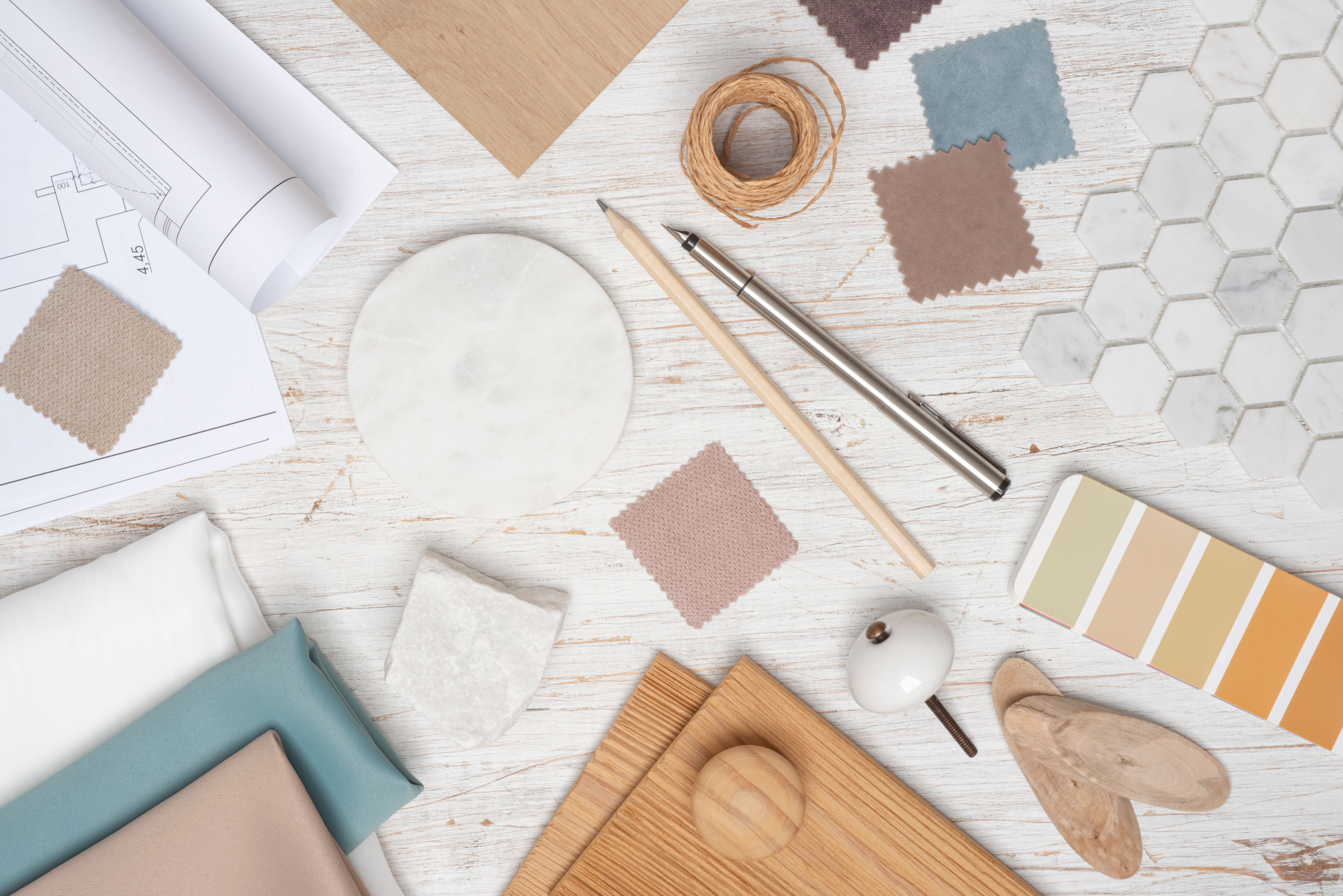
The process typically begins with a consultation where the designer learns about the client's preferences, lifestyle, and budget. From there, they develop a design plan that includes selecting colors, materials, and furnishings. They may also work with architects and builders to ensure that the design is carried out effectively during renovations or new constructions.
The Skills Required for Successful Interior Design
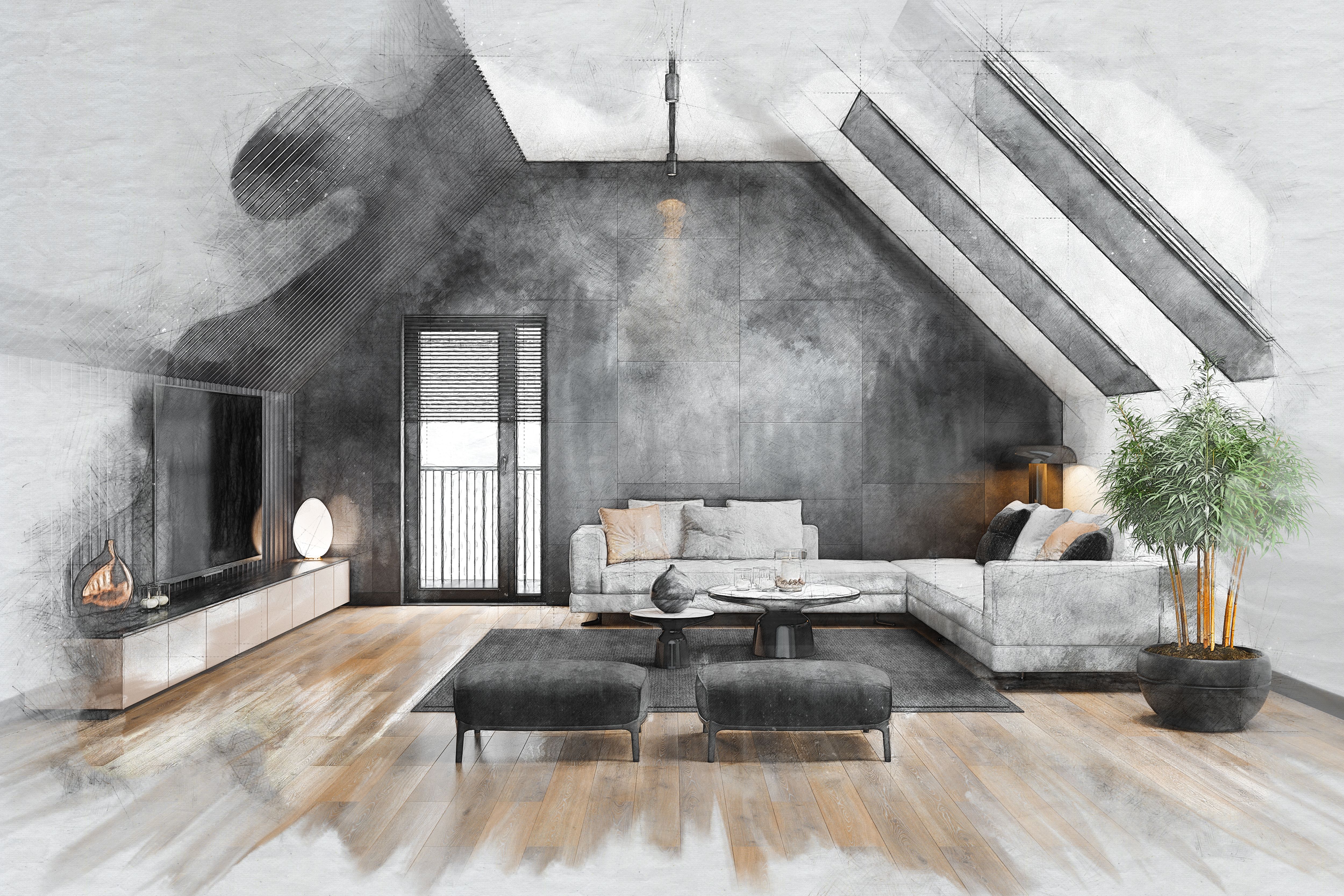
Interior designers need a diverse set of skills to be successful. A strong sense of creativity and an eye for detail are essential. They must have an understanding of color theory, spatial arrangements, and design trends. Additionally, technical skills are important, as designers often use software to create digital models and visualizations of their designs.
Communication is another key skill for interior designers. They must effectively convey their ideas to clients and collaborate with other professionals involved in the project. This includes negotiating with vendors and contractors to ensure that the project stays within budget and on schedule.
The Importance of Functionality in Design
While aesthetics are important, functionality is a core component of any successful interior design project. Designers take into account how a space will be used and who will be using it. This involves considering factors like traffic flow, ergonomics, and accessibility.
An interior designer might design a kitchen layout that maximizes efficiency for cooking or arrange an office space to enhance productivity. By focusing on functionality, designers can create spaces that improve the quality of life for their users.
How Interior Designers Stay Current
The world of interior design is constantly evolving with new trends and technologies. Successful designers stay informed by attending industry conferences, participating in workshops, and continuously learning about new materials and techniques. They may also follow influential designers and publications to stay inspired.
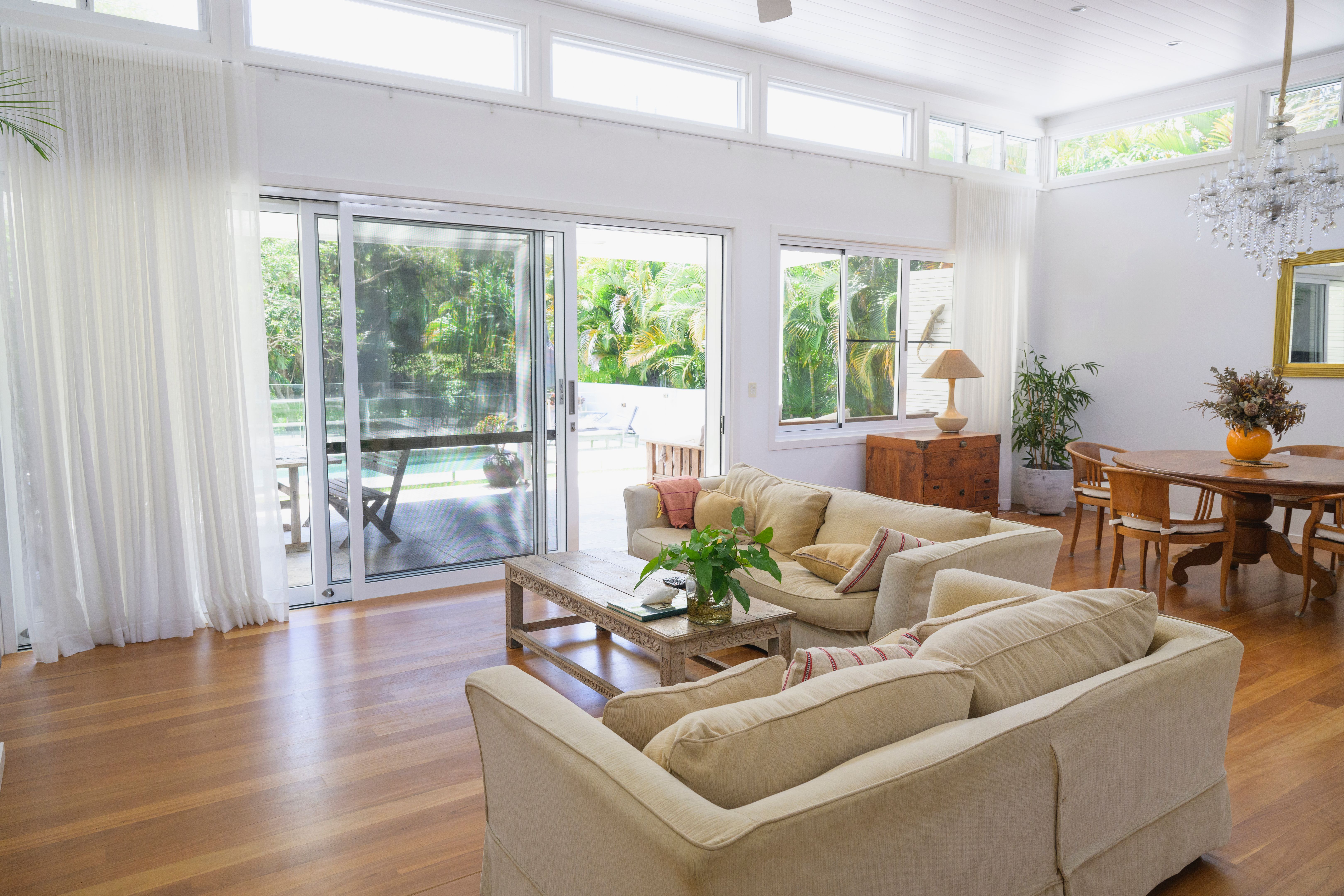
Moreover, many interior designers are now incorporating sustainable practices into their work. This includes using eco-friendly materials, designing for energy efficiency, and creating spaces that promote well-being. By staying current, designers can offer their clients innovative solutions that are both stylish and sustainable.
Working with an Interior Designer
If you're considering hiring an interior designer, it's important to find someone whose vision aligns with your own. Start by reviewing their portfolio to ensure their style matches your taste. During the initial consultation, communicate your needs clearly and discuss any specific requirements you might have.
A good interior designer will listen to your ideas and provide guidance on how to achieve your desired outcome within your budget. They will manage the project from start to finish, handling everything from sourcing materials to overseeing installation. This ensures a smooth process and a final result that meets expectations.